Calabria, a region of rich history and culture, conceals one of its extraordinary archaeological attractions – the Museo dei Brettii e degli Enotri in Cosenza. This place leads visitors through the long history of northern Calabria, presenting artefacts from the Palaeolithic to the Roman and modern periods. Archaeology enthusiasts will appreciate the finds here, but just as important is the fact that the museum tells the story of a city that in antiquity was one of the region's most important centres.
Table of Contents
- The Evolution of the Museum of the Bruttians and Oenotrians – from Foundations to Modernity
- Archaeological Finds – Key to Understanding Cosenza's History
- The Bruttian Legacy in the Cultural Landscape of Calabria
- Italian Museums in the Service of Integration – New Opportunities for All
- Practical Information
The Evolution of the Museum of the Bruttians and Oenotrians – from Foundations to Modernity
The Museum of the Bruttians and Oenotrians in Cosenza is a testament to the ancient peoples of southern Italy and an institution that arranges local finds into a clear story about the city and its surroundings. The history of this museum combines the development of archaeology, art, and historical narratives, creating an important educational point in the centre of Cosenza. The official inauguration of the museum in its current, definitive location took place on 17 October 2009, which was an important moment in the institution's history.
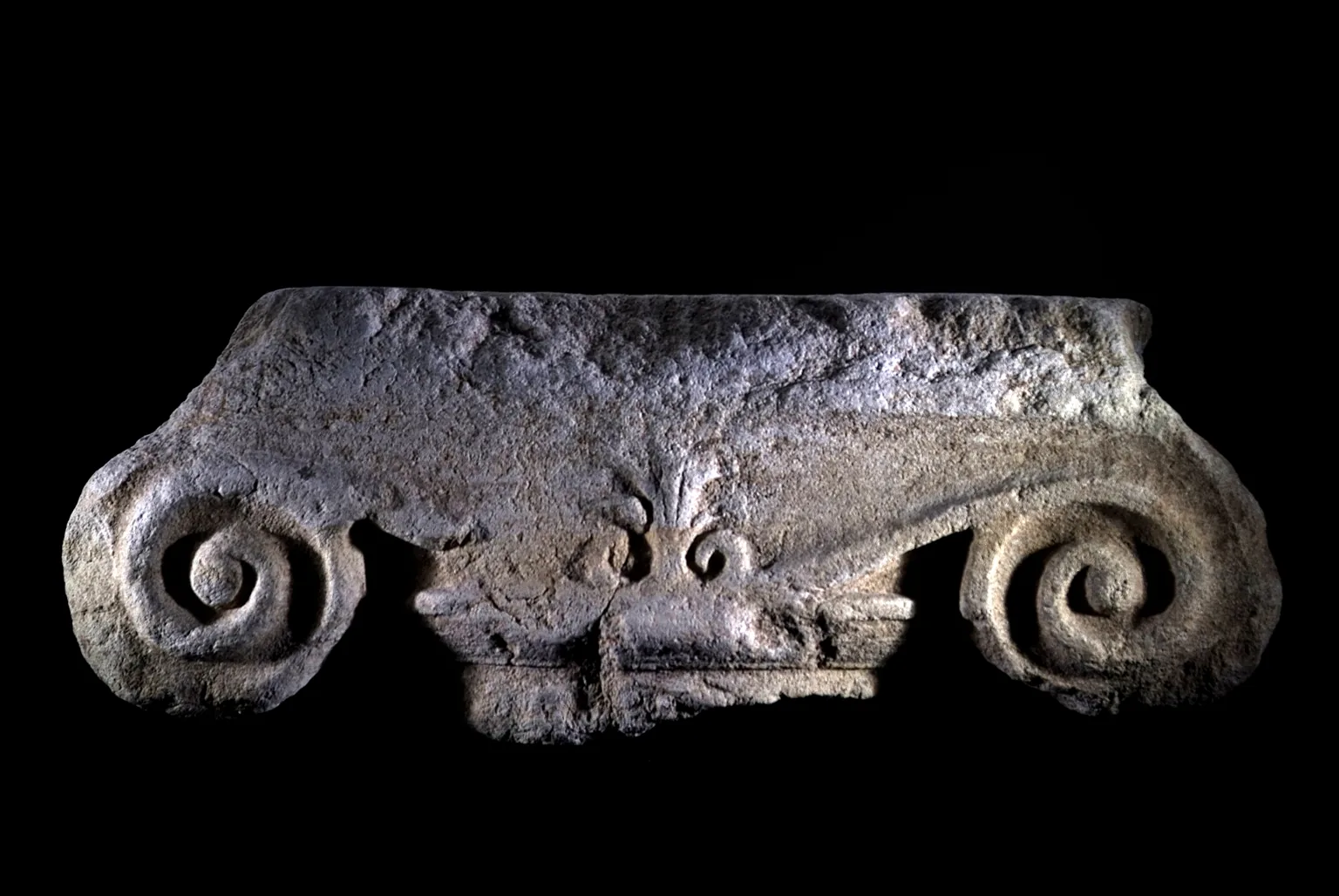
The Oenotrians (Oenotri) were among the oldest peoples of southern Italy before Greek colonisation; in the museum's interpretation, their presence and trade contacts in Calabria are linked with the Middle Bronze Age and the Iron Age, around 1700–720 BC. The Bruttians appear in sources later – in the 4th century BC, and around 356 BC they gained independence from the Lucanians. The museum is dedicated to them because ancient Consentia, today's Cosenza, was regarded in Roman sources as one of the main centres of the Bruttians and their capital.
Before the Museum – the Archaeological Background
The area we now know as Cosenza was known in antiquity as Consentia and served as one of the most important centres of the Bruttians. Materials discovered in the province of Cosenza – especially in the Crati valley and at sites linked to pre-Greek cultures – created the natural background for the later museum collections. Weapons, coins, and ceramics from this area allow us to trace settlement continuity and local populations' contacts with the Greek and Roman worlds.
The Museum's Founding
The founding of the museum was a response to the need to protect and organise the archaeological heritage of Cosenza and its surroundings. From the beginning, the institution developed as a place meant to combine local historical memory with the presentation of finds in a permanent context. Thanks to this, the archaeological collections are not just a set of objects in display cases, but part of a story about the successive communities that lived in this part of Calabria.
Years of Inauguration and Expansion
In the museum's history, it is worth clearly separating the institution's own story from the opening of its current home. Today's Museo dei Brettii e degli Enotri has operated since 2009 in the Monumental Complex of Sant'Agostino in the historic centre of Cosenza, which gave the exhibition a more cohesive and representative character. This is when the museum gained a space that harmonises well with the story of the city's long history.
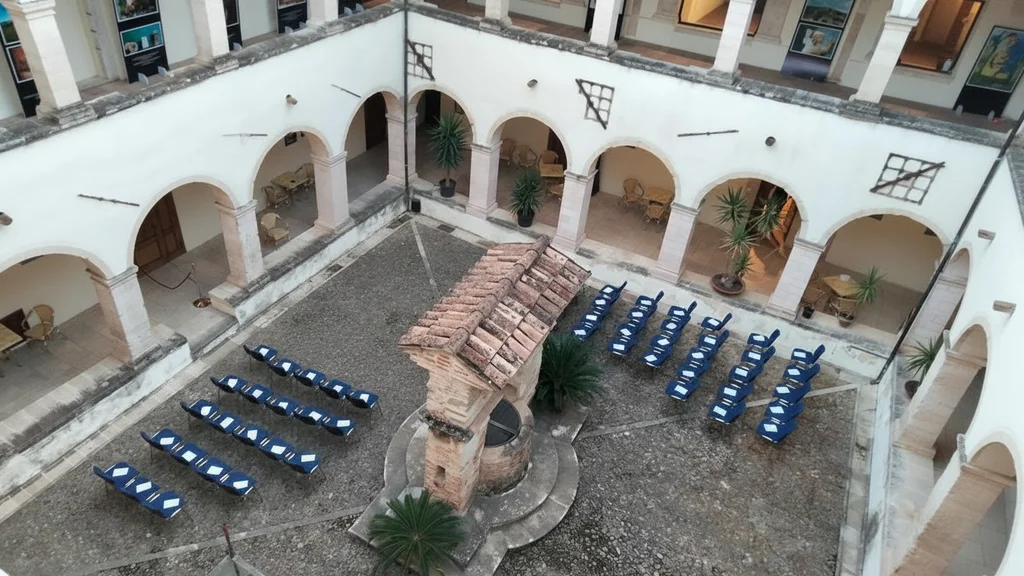
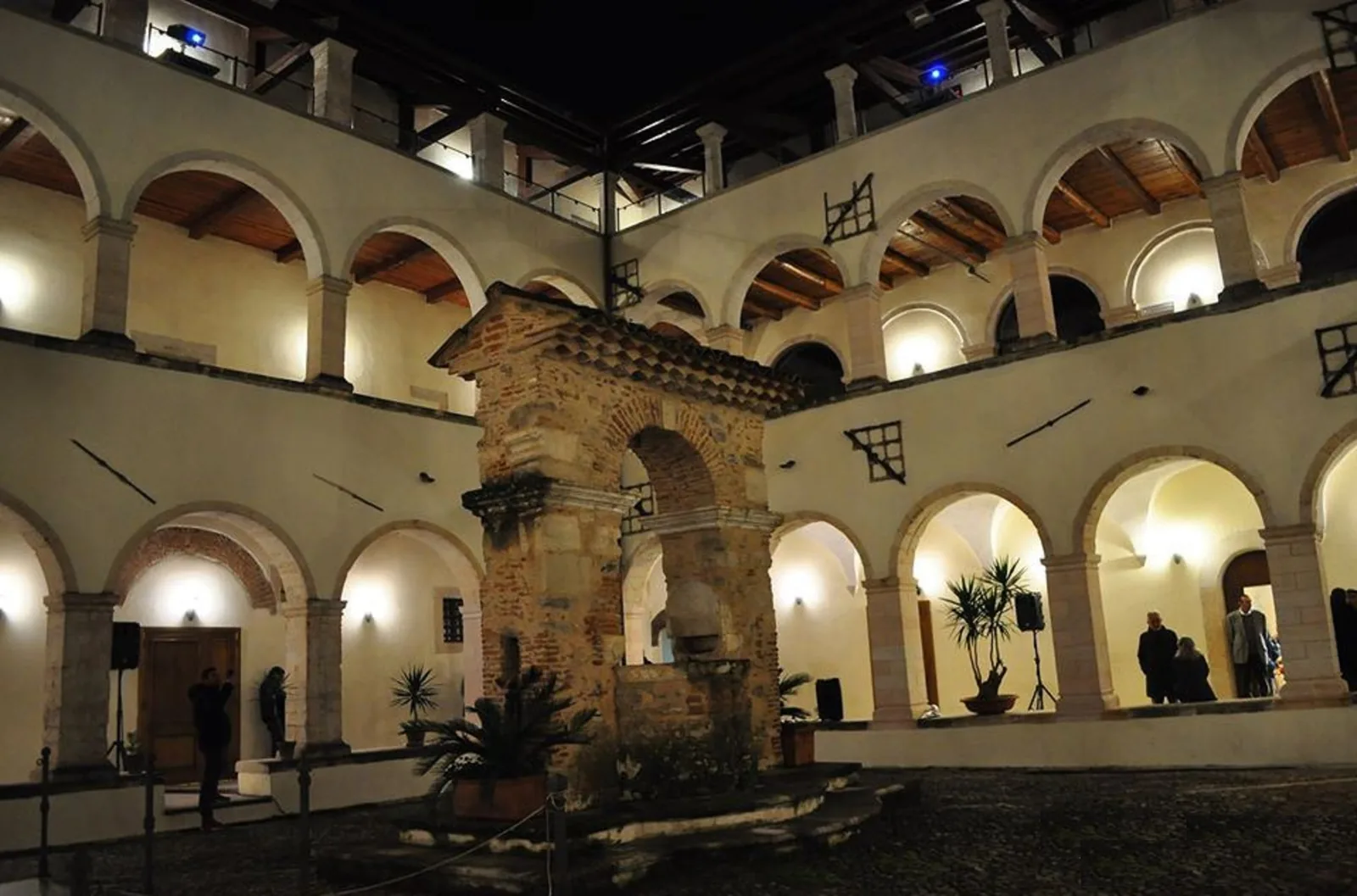
The Sant'Agostino Complex is a former Augustinian convent located in the historic centre of the city. The complex dates from the early modern period, and after the suppression of religious orders in the 19th century, it served secular functions. The combination of the former convent's spaces with the archaeological exhibition has become one of the most interesting elements of the museum's identity.
| Historical Period | Function of the Sant'Agostino Complex | Key Events |
|---|---|---|
| 1507 – 1810 | Augustinian Monastery | Development of the religious complex in the historic city centre. |
| 19th century | Secular functions after suppression of orders | Change of the complex's role following dissolution of religious communities. |
| 2009 – present | Museo dei Brettii e degli Enotri | Opening of the museum's permanent home. |
Archaeological Finds – Key to Understanding Cosenza's History
The Cosenza region bears witness to multi-layered settlement dating back to ancient times. Archaeological finds shed light on the cultural development of southern Italy, showing how the Oenotrian and Bruttian communities shaped this part of Calabria. A particularly important place in this story is held by Torre del Mordillo near Spezzano Albanese, one of the key sites for understanding pre-Greek cultures and contacts with the Greeks in northern Calabria.
Materials from the province of Cosenza, including from the Crati valley area, are significant in the museum's collections and narrative. The Torre del Mordillo necropolis was used from the Late Bronze Age to the end of the second phase of the Iron Age, around 1350–720 BC; a particularly important group of Oenotrian burials is dated to 960–720 BC. It is precisely such sites that give the museum both a local and a remarkably broad historical context.
The exhibition offers a rich overview of discoveries from the late Palaeolithic to the Roman period, including finds from Montalto Uffugo and Luzzi. Visitors can see bronze fibulae, ceramics, and imported vessels, among other objects, which show how intensive the trade and cultural contacts were in this part of Calabria. Thanks to this, the exhibition does not confine itself to the history of a single people but shows the long continuity of settlement in the Cosenza area.
The Bruttian Legacy in the Cultural Landscape of Calabria
The Bruttians' Influence on the Name and Archaeology of Calabria
The history of Calabria is inseparably linked with the story of the Bruttians, an Italic people that around 356 BC gained independence from the Lucanians. Their significance for the history of Cosenza is beyond doubt, as ancient Consentia was one of the main Bruttian centres. The museum houses exhibits such as monumental bronze belts and richly decorated ceramics, testifying to the high level of craftsmanship and the position of local elites.
However, the name "Calabria" does not derive from the Bruttians. In antiquity it originally referred to the Salentine Peninsula, i.e. the area of present-day Apulia, and was only transferred to the territory of modern Calabria in the Middle Ages. This is an important distinction, as it helps to better separate the history of ancient peoples from the later history of the region.
Traditions and Architecture
The Bruttian legacy is best read not as a simple continuation into modern customs but as one of the layers of the region's history. After the Bruttian era, the area underwent strong Roman, Byzantine, Norman, Aragonese, and Bourbon influences, and Cosenza itself developed successively as ancient Consentia, then a Roman city and a medieval centre. The urban planning of the historic centre, making use of hills and natural terrain gradients, still helps to understand why this location has held strategic significance since antiquity.
Economic Legacy
In the case of the Bruttians, it is better to exercise caution than to construct too simple a line of continuity between antiquity and the region's modern economy. The museum primarily shows the material traces of ancient communities – their craftsmanship, weaponry, and trade contacts – rather than a ready-made economic model transferred directly to our times. This way of telling history is more honest towards the complex story of Calabria.
Watch on YouTube
Italian Museums in the Service of Integration – New Opportunities for All
The Role of Accessibility in Modern Museums
Accessibility in an archaeological museum means, above all, a workable entrance to the building, the possibility of moving around the exhibition, and clear contact with staff before a visit. In the case of the institution in Cosenza, the official information focuses precisely on these practical issues. For visitors with limited mobility and groups with special needs, they determine whether the visit will be comfortable.
Examples of Integration Activities
The museum declares a ramp leading inside and a street-level entrance that allows direct access to the lift. If you want to use lift access, the institution asks you to contact it in advance by phone on 0984/23303. For visually impaired visitors, a personalised tactile route, "TOCCARE È VEDERE", is available on request.
The Importance of International Collaboration
From a tourist's perspective, the concrete services that support the visit are what matter: the museum offers multimedia guides and tablets for €3. For groups of more than 15 people, a guided tour is available for €3 per person, with advance booking. These options help visitors better understand the exhibition, especially when viewing artefacts from many different periods.
Challenges and Future Directions
In practice, before travelling it is best to check the official information on the entrance, lift, and additional services, especially if you are planning a group visit or need a specific facility. The museum states that for use of the lift and the tactile route, you can contact the institution by phone on 0984/23303. This is the simplest way to avoid organisational problems on site.
Practical Information
Location: Salita Sant’Agostino, 3 – 87100 Cosenza (CS), Sant'Agostino Complex, Cosenza's centro storico
Access: From Corso Telesio it is a few minutes' walk; from the main part of the new town, the uphill walk to the old town usually takes about 15–25 minutes, depending on the starting point. By bus from Stazione FF.SS., take line 27 to Piazza dei Bruzi, then lines 24, 25, 51, or Circolare Veloce Verde.
Visit duration: Allow approximately 60–90 minutes for the permanent exhibition.
Hours and tickets: From 1 October to 31 May, the museum is open Tuesday to Friday 9:00–13:00 and 15:30–19:30, and on Saturdays and Sundays 10:00–13:00 and 15:30–19:30. From 1 June to 30 September, the afternoon hours shift to 16:30–19:30, while the morning opening remains the same: Tuesday–Friday 9:00–13:00 and Saturday–Sunday 10:00–13:00. Last evening admission is at 19:10, and the museum is closed on Mondays. A standard ticket costs €4, a reduced ticket €3, and free admission is available, among others, to children under 6, visitors with disabilities and their carers, and ICOM members. Guided tours cost €3 per person for groups of more than 15 people with booking, educational workshops €5 per person, and multimedia guides or a tablet €3. Before visiting, it is still a good idea to check the official museum website, especially for temporary exhibitions or group visits.
Accessibility: The museum declares a ramp into the building, a street-level entrance with direct access to the lift, and the possibility of using the personalised tactile route "TOCCARE È VEDERE" for visually impaired visitors. For lift access and the tactile route, contact the institution on 0984/23303.
Frequently Asked Questions
Who were the Bruttians and Oenotrians in ancient Calabria?
The Oenotrians were among the oldest inhabitants of southern Italy before Greek colonisation; in the museum's interpretation, their presence and trade contacts in Calabria are linked with the Middle Bronze Age and the Iron Age, around 1700–720 BC. The Bruttians appear in sources in the 4th century BC, and Consentia – today's Cosenza – was one of their main centres.
What can you see at the Museo dei Brettii e degli Enotri?
The museum offers a rich collection of ceramics, weapons, coins, and jewellery from the Palaeolithic to Roman times. Alongside the archaeological section, there is also a historical part devoted to the history of Cosenza and events related to the Risorgimento period.
What are the opening hours of the archaeological museum in Cosenza?
From 1 October to 31 May, the museum is open Tue–Fri 9:00–13:00 and 15:30–19:30, and Sat–Sun 10:00–13:00 and 15:30–19:30. From 1 June to 30 September, it is open Tue–Fri 9:00–13:00 and 16:30–19:30, and Sat–Sun 10:00–13:00 and 16:30–19:30; last evening admission is at 19:10, and Monday is the closing day.
Where exactly is the museum located?
The institution is housed in the Monumental Complex of Sant'Agostino at Salita Sant’Agostino, 3 – 87100 Cosenza (CS), in Cosenza's historic centre. From Corso Telesio it is a few minutes' walk.
Is the museum accessible for visitors with disabilities?
The museum declares a ramp leading inside, a street-level entrance with direct access to the lift, and the tactile route "TOCCARE È VEDERE", available on request for visually impaired visitors. To use the lift and tactile route, call 0984/23303 in advance.
Last updated: