Over 90% of the world's bergamot comes from a narrow strip of Ionian coastline in the province of Reggio Calabria. This unassuming citrus – too bitter and sour to usually eat raw – harbours an essential oil that has shaped the perfume industry for centuries, gives Earl Grey tea its signature flavour, and remains a key part of Calabrian culinary identity. If you have ever sipped Earl Grey, you have encountered the aroma of bergamot – very often associated with Calabrian oil from around Reggio Calabria.
Table of Contents
What is bergamot – the citrus you cannot eat raw
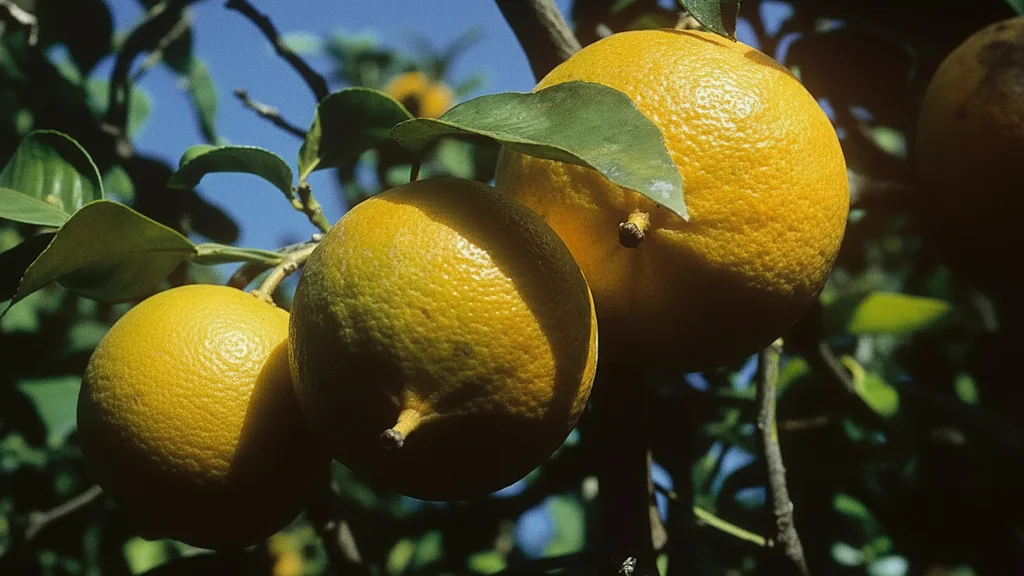
Bergamot (Citrus bergamia Risso) is a fruit the size of an orange with yellow-green skin and bitter, astringent flesh resembling grapefruit. Its botanical origin is not entirely certain – one of the most commonly cited hypotheses is that it is a natural hybrid of lemon and bitter orange. Three commonly mentioned cultivated varieties – Femminello, Castagnaro, and Fantastico – belong to the same species but differ in fruit size and oil yield; today the Fantastico variety is particularly widespread.
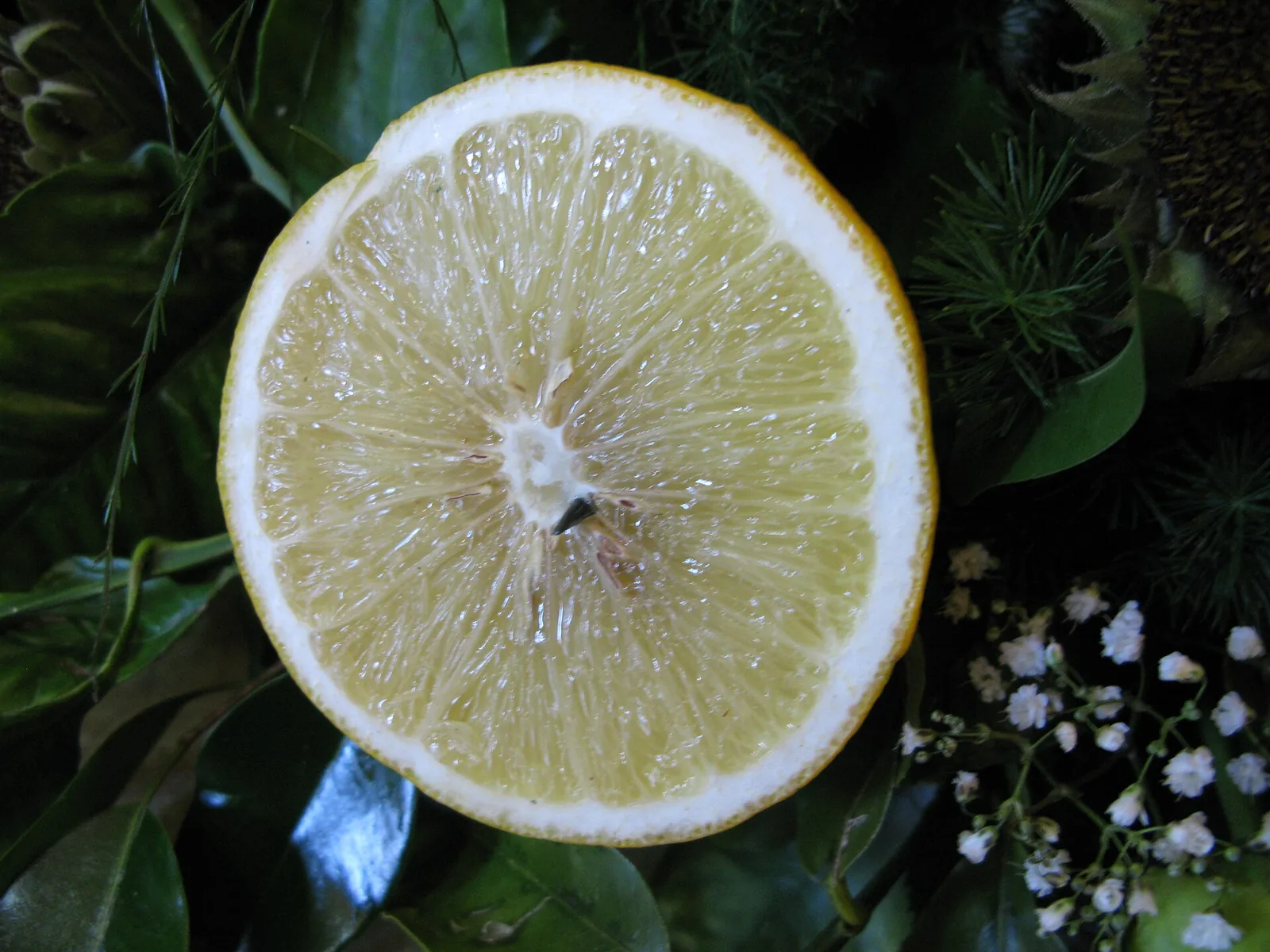
The fruit is rarely eaten raw, because its taste is very bitter and sour. All the magic lies in the rind: it is pressed to extract an essential oil with an intense, floral-citrus aroma. It takes roughly 200 kg of fruit to produce just 1 kg of essence – which is why bergamot oil is one of the most valuable raw materials in the fragrance industry.
Bergamot typically flowers in spring, and the harvest falls from late autumn to winter, most commonly from November to February or March. The tree only begins bearing fruit several years after planting, and full production takes even longer. This is precisely why seasonality matters – both for farmers and for tourists who want to see the groves at the best moment.
Documented bergamot cultivation in the Reggio Calabria area dates back to at least the 18th century. The earliest known mention of organised cultivation is usually given as the first half of that century, and the date of 1750 is often cited as the moment one of the oldest plantations near Reggio was established. In the 19th century, industrial extraction of the essence and exports to France and Germany developed strongly.
Calabria's monopoly – why bergamot grows only here
Bergamot is almost a fruit of one place on earth. The most important and most prized production is concentrated in the Reggio Calabria area. It is cultivated along approximately 100 km of Ionian coastline in the metropolitan area of Reggio Calabria. Part of this area overlaps with what is sometimes called the Costa dei Gelsomini (Jasmine Coast), though this term does not cover the entire bergamot cultivation strip. This stretch of coastline offers unique conditions: sea air, the shelter of the Aspromonte mountain range, and mineral-rich soils.
Attempts to transplant bergamot to West Africa, South America, and Asia have produced fruit with inferior oil quality. The microclimate of southern Calabria remains key to the reputation of the product from Reggio Calabria. A 2025 Regione Calabria document gives approximately 1,200 ha of bergamot groves, average production of 198,000 q of fruit, and around 6,000 people involved in the sector. As much as 90% of cultivation is concentrated in the Reggio Calabria–Pellaro, Melito Porto Salvo, Condofuri, Bova, Palizzi, Brancaleone, Bruzzano and Bianco areas.
Around 1,300 smallholder farmers cultivate bergamot here, and each tree needs 4–5 years before it bears fruit. A mature tree yields about 100 kg of fruit per year. Production is therefore substantial for such a narrow area, but it is still based on local farms and a short, highly seasonal harvest cycle.
The question of origin protection also needs clarifying. The EU Protected Designation of Origin is Bergamotto di Reggio Calabria – Olio essenziale and applies to the essential oil obtained from the fruit's rind, not to the whole fruit in a general sense. The PDO designation for the oil was registered by EC Regulation No. 509/01 of 15 March 2001, and the production area covers the Ionian coastline strip in the metropolitan area of Reggio Calabria. A separate PGI procedure is under way for the fresh fruit Bergamotto di Reggio Calabria; MASEF published information on the submission of the application to the European Commission on 6 February 2026.
| Parameter | Value |
|---|---|
| Calabria's share of world production | approx. 90% |
| Length of cultivation strip | approx. 100 km (Ionian coast) |
| Cultivated area | approx. 1,200 ha |
| Average fruit production | approx. 198,000 q |
| People involved in the sector | approx. 6,000 |
| Number of farmers | approx. 1,300 |
| Yield per tree | approx. 100 kg/year |
| Fruit needed for 1 kg of oil | approx. 200 kg |
| Harvest season | November – March |
| Protected status | PDO (Bergamotto di Reggio Calabria – Olio essenziale); PGI procedure for the fresh fruit |
History – from Café Procope to Chanel N°5
One of the most important chapters in the history of bergamot was the development of European perfumery, especially in Cologne and later in France. From 1709, Giovanni Maria Farina developed the famous Eau de Cologne in Cologne, based in part on bergamot. It was then that Calabrian essence began to gain a lasting place in the world of fragrance.
In the 19th century, the development of industrial oil extraction and exports to France and Germany further strengthened the importance of Calabrian bergamot. Over time, this citrus became one of the fundamental ingredients of both classic and contemporary perfumery, particularly as a fresh, luminous opening note. Beyond perfumery, bergamot also made its mark in Earl Grey tea, confectionery and cosmetics.
Key uses of bergamot through the centuries:
- Perfumery – an important ingredient of classic citrus compositions and colognes
- Earl Grey tea – since the 19th century, bergamot oil has given this tea its distinctive floral aroma
- Confectionery – France's Bergamotes de Nancy are famous candies produced for over 150 years
- Folk medicine – Calabrian herbalists used the oil as an antiseptic and antibacterial agent
- Cosmetics – creams, balms, and massage oils
Watch on YouTube
Bergamot in the kitchen – what to taste in Calabria
Although the raw fruit is bitter and astringent, Calabrian cooks have transformed it into delicacies for generations. Bergamot marmalade (marmellata di bergamotto) is a classic – tart-sweet, fragrant, and perfect with fresh ricotta or pecorino. In every local produce shop in the province of Reggio you will find at least several bergamot products.
The most deeply rooted local products are simple ones based on the rind or food-grade oil: marmellata di bergamotto, liquore al bergamotto, candied peel, granita, and sweets and baked goods flavoured with bergamot. Dishes such as risotto al bergamotto or bergamot panna cotta are more contemporary restaurant interpretations than classics of traditional Calabrian home cooking. Keep this in mind if you are looking for flavours that are truly local and closest to tradition.
Bergamot dishes and products worth trying:
- Liquore al bergamotto – Calabria's answer to limoncello, an intensely aromatic liqueur
- Granita al bergamotto – an icy dessert perfect for sweltering Calabrian summers
- Risotto al bergamotto – a contemporary restaurant interpretation with a floral citrus note
- Bergamot panna cotta – a dessert found more often on modern menus than in home cooking
- Bergamot-infused olive oil – flavoured extra virgin oil, superb with salads and fish
- Biscuits and torrone – traditional sweets made with bergamot oil
- Bergamot tea – the local version uses dried peel rather than oil
Contemporary Calabrian chefs experiment with bergamot in martinis, fish sauces, and even honey served alongside local cheeses. This fruit has gone from niche product to star of Calabria's new cuisine.
Where to experience bergamot – museum, groves, and festivals
Museo del Bergamotto in Reggio Calabria (Via Filippini 50) is an essential stop. Housed in the historic Mercato Coperto, it displays the history of bergamot and both old and more recent methods of extracting the essence. The museum's official website gives opening hours from Monday to Saturday: 09:00–12:30 and 16:00–19:00. Sundays and public holidays are available by prior arrangement, and the Ministry of Culture marks the visit as requiring a reservation.
The easiest way to see the groves is along the Ionian strip south of Reggio Calabria, especially in the municipalities of Condofuri, Melito di Porto Salvo, San Lorenzo, Brancaleone and Bova Marina. The harvest usually runs from November to February or March, but visits to plantations most often require prior arrangement with a producer or trade association. This is important: most groves are private land, and you should not enter without permission.
If you visit in season, you will see the fruit at its most interesting time of year and find it easier to buy fresh products directly from producers. Outside the season, the museum remains the simplest place to understand why bergamot means more to Reggio than just a citrus fruit. In the city itself, look for bergamot products in delicatessens and specialist shops, rather than counting on chance finds during a stroll.
The most important event devoted to bergamot is Bergarè, organised by the Camera di Commercio di Reggio Calabria. The fifth edition is scheduled for 22–25 October 2026 by the Castello Aragonese in Reggio Calabria. It is a good time for travellers who want to combine a visit to the city with tastings, producers, and a broader look at bergamot than the museum display alone can offer.
Bergamot – frequently asked questions
Can you eat bergamot raw?
Yes, but this is rarely done. Bergamot flesh is very bitter and astringent, so the fruit is usually processed into marmalades, liqueurs, granitas and other products. The most valuable part remains the aromatic rind, from which the essence is extracted.
Why does bergamot grow almost exclusively in Calabria?
Bergamot requires a very specific microclimate: sea air, shelter from the Aspromonte mountains, and the right soils along the Ionian coast. Attempts to grow it in Africa, Asia, and South America produce fruit with significantly inferior essential oil quality.
When should I visit Calabria to see the bergamot harvest?
The harvest season usually runs from November to February or March, and winter is the most interesting time. If you want to visit a plantation, it is best to arrange a visit in advance, as most groves are private. Before visiting the museum in Reggio Calabria, also check current opening hours and reservation requirements.
What is the connection between bergamot and Earl Grey tea?
Earl Grey tea owes its distinctive floral-citrus aroma to bergamot essential oil. This tradition dates to the 19th century. Calabrian bergamot oil is considered a particularly prized raw material, which is why some premium tea producers highlight its origin from Reggio Calabria.
What bergamot products should I bring back from Calabria?
The most popular souvenirs include bergamot marmalade, liquore al bergamotto, candied peel, cosmetics and essential oil. When buying, look for origin markings from Reggio Calabria and read the labels: a food product is not the same as a perfumery or aromatherapy oil. Essential oil can be phototoxic, so do not apply it directly to skin before going out in the sun.
Last updated: