Marina di Locri lies on Calabria's Ionian coast, within the Costa dei Gelsomini. It is the seaside part of the town of Locri, chosen mainly by travellers looking for a wide shore, clear water and a calmer atmosphere than in the region's best-known resorts. The beaches make it easy to combine swimming in the Ionian Sea with visiting one of Magna Graecia's important archaeological sites.
Table of Contents
Calabria – Sunshine and Ionian Beaches as a Tourist Magnet
Marina di Locri lies on Calabria's Ionian coast, within the Costa dei Gelsomini. The region is known for beaches stretching along the Ionian coast, attracting travellers who want to enjoy the Ionian Sea without the rush typical of larger resorts. The Marina di Locri coastline is an integral part of the Costa dei Gelsomini, or Jasmine Coast, encompassing areas including Locri, Siderno, and Roccella Jonica.
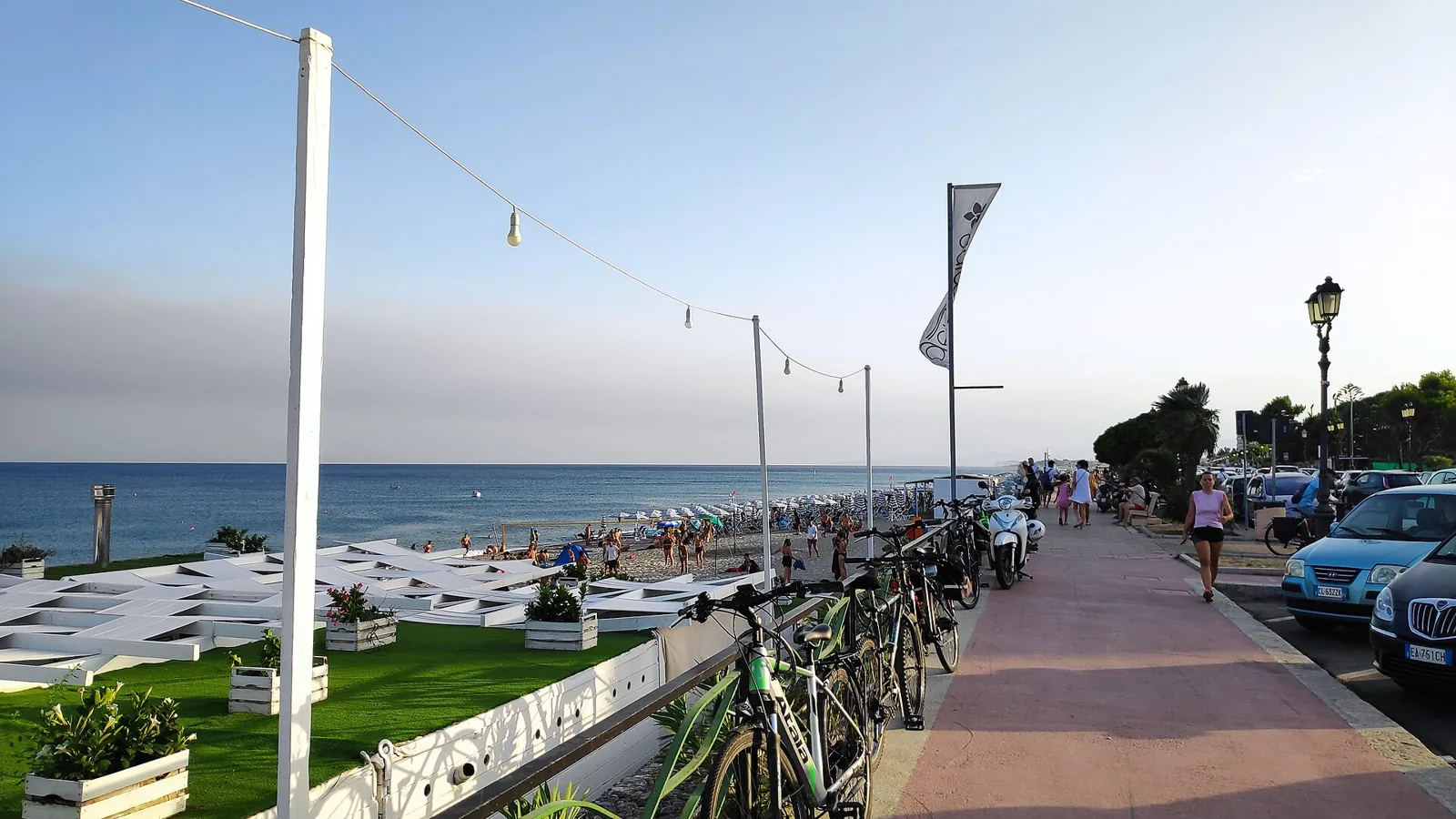
The name Costa dei Gelsomini refers to jasmine cultivation, which particularly flourished here in the 20th century to supply the perfume industry. It is this stretch of the Ionian coast in the province of Reggio Calabria that over the years built its identity not only through the sea, but also through the scent of jasmine fields.
From a geomorphological perspective, the local beaches are characterised by considerable width and open structure, typical of the Ionian part of the region. The coastline at Locri often has mixed ground – sand with an admixture of gravel and pebbles. This composition contributes to high water clarity, shimmering in shades from turquoise to intense blue.
Beach Parameter |
Characteristics |
|---|---|
Surface type |
Golden sand, beige sand, fine gravel |
Water colour |
Turquoise, intense blue, opalescent |
Water clarity |
High, crystalline |
Vegetation |
Mediterranean maquis, agaves, palms |
Discovering the Beaches of Locri
Locri offers some of the more interesting Ionian beaches in this part of Calabria. The beaches of Locri are a good place for relaxation, where a wide stretch of shore and clear water suit both swimming and peaceful walks. Marina di Locri remains the main seaside point of the town.
Thanks to its seaside location, Locri enjoys sunny weather for much of the year. Locri's microclimate is determined by the proximity of the Aspromonte massif, which shields the coastline from the west. In the summer season, this translates into high temperatures and a typically southern character of relaxation.
Calabrian Treasures Within Reach
Beaches are not the only reason to stay in Locri. A history reaching back to ancient times, local cuisine and its position on the Ionian Sea mean a stay can easily be divided between relaxation and sightseeing. Visitors can immerse themselves in local culture, admiring the ruins of Locri Epizefiri and discovering one of the important chapters in the history of southern Italy.
Calabria combines beaches with rich history and culture. This region encourages not only beach time, but also exploring places that for centuries shaped the landscape of Magna Graecia. Locri is well suited to those who want to combine the sea with archaeology and local cuisine, without giving up the calm rhythm of a seaside town.
Watch on YouTube
Adventure on the Ionian Sea – Locri's Attractions
The beaches and resorts in Locri offer tourists specific options for water and beach recreation. Set on the Ionian Sea, they are a good destination for summer holidays for lovers of sun and water. The seabed slopes relatively gently here, which suits family bathing in calm weather.
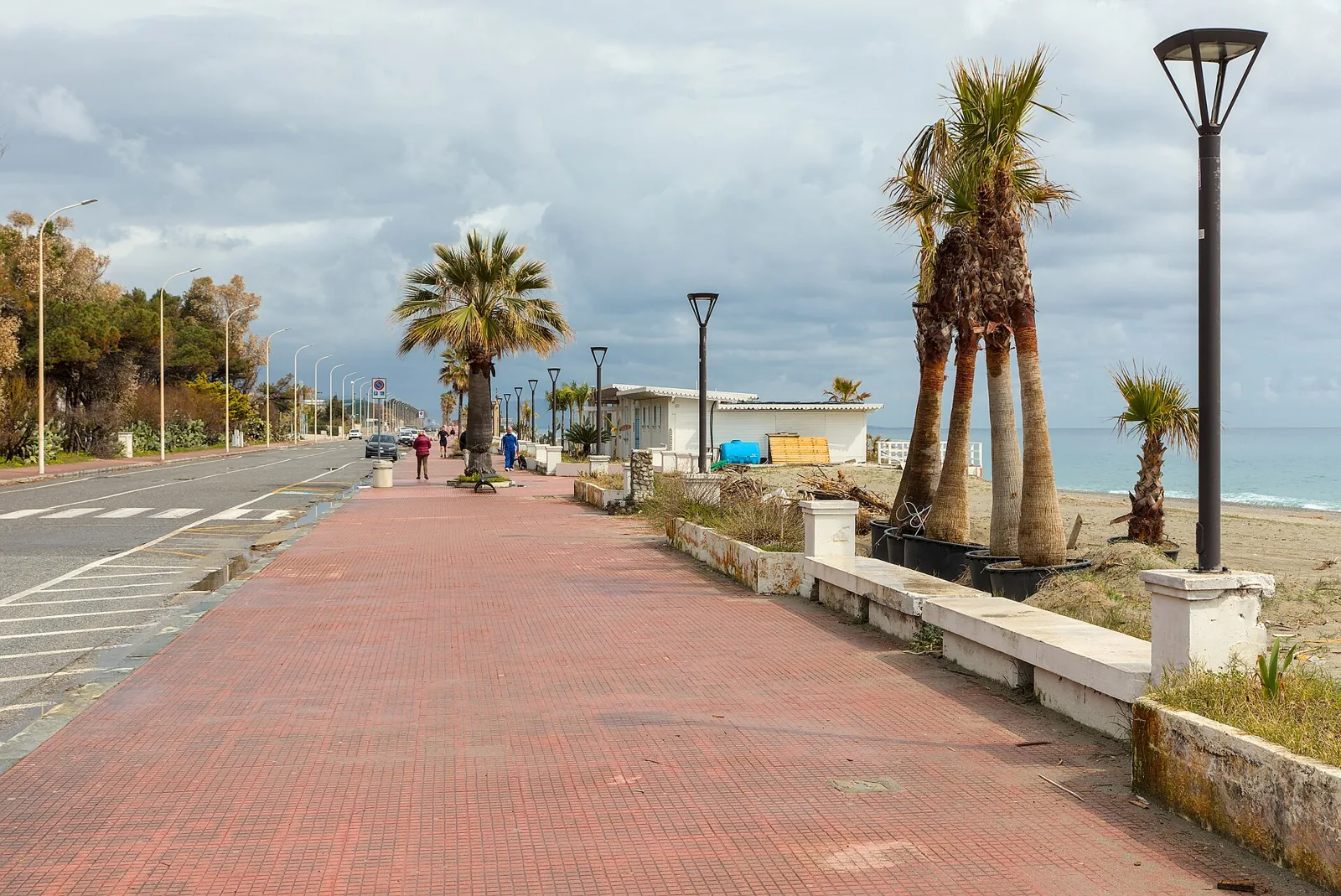
The Locri coastline on the Costa dei Gelsomini usually has mixed ground – sand with an admixture of gravel and pebbles – so water shoes often come in handy when entering the water. The sea can be very clear, but in windy weather and heavier swell conditions can change quickly. In season, there are both free-access beaches and stabilimenti balneari with sun loungers and a bar.
Locri Beaches – a Tourist Paradise
One of the greatest attractions of this region is the Locri beaches, which draw tourists with their cleanliness and calmer character. They are part of the extensive stretch of Ionian beaches in Calabria, known for clear water. Many visitors note that the local beaches are less crowded than those in better-known resorts of the region.
In 2025, Calabria had 23 Blue Flag municipalities, placing it 3rd in the country. In 2025 Locri itself was not yet on the list, but in the 2026 edition Locri – Lungomare Zaleuco received the Blue Flag. Neighbouring towns such as Siderno and Roccella Jonica also hold this certification, which well illustrates the potential of the entire Costa dei Gelsomini.
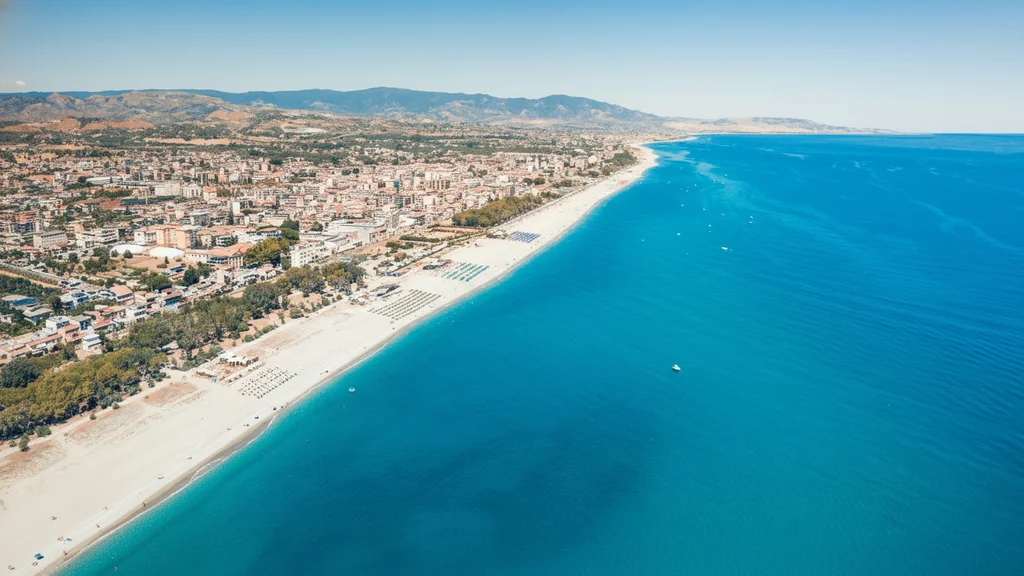
Marina di Locri – a Quiet Beach Base on the Ionian Sea
The seaside part of Locri works well as a base for those who want to spend time close to the water and combine beach days with walks along the coast. It is more a place for quiet contact with the sea than a destination associated with a large, specialised yacht marina. The nearest specific point for sailors is Porto delle Grazie – Marina di Roccella in Roccella Jonica; official materials state 450 berths and service for vessels up to 50 m long. Thanks to this, Locri retains a more local, less port-like character, while sailing facilities are available in nearby Roccella Jonica.
Activities Beyond the Beach
For those seeking more than just lounging, Locri and its surroundings offer several straightforward alternatives. The region encourages longer walks along the sea, swimming, and spending time at organised bathing establishments. In the summer season, both free-access beaches and lidi operate here, where you can rent a sun lounger and stop for a drink.
Culture and History of the Coastal Region of Locri
Locri, located in Calabria's coastal region, has a history much older than the modern townscape. Set on the shore of the Ionian Sea, it lets you combine beach time with a visit to one of the region's important archaeological sites. Its greatest distinction is the Parco archeologico nazionale di Locri Epizefiri, situated not far from the modern town.
Lokroi Epizephyrioi was a Greek colony founded in the late 8th or early 7th century BC by settlers from Locris in Greece. The city was one of the most important centres of Magna Graecia on the Ionian coast of Calabria. Locri is also traditionally linked with the figure of Zaleucus and one of the oldest written Greek law codes, usually dated to the 7th century BC.
For visiting the archaeological park and museum itself, allow about 1.5–3 hours, depending on your interest in archaeology and the temperature in season. The Museo e Parco archeologico nazionale di Locri is located on the SS 106 Jonica, Contrada Marasà, about 5 km from modern Locri. Official visiting hours are Tuesday–Sunday 09:00–20:00, and the site is closed on Monday. A standard ticket costs €5.00, a reduced ticket €2.00; in summer, bring water, a sun hat and comfortable shoes for walking on uneven ground.
The Historical Heritage of Locri
Locri is known for its ancient heritage, dating back to the late 8th or early 7th century BC, when a Greek colony was founded here by settlers from Locris. It is with this city that tradition associates Zaleucus and one of the oldest written Greek law codes. The ruins and extensive archaeological site show how important a centre Locri was in the era of Magna Graecia.
In the park, note the Greco-Roman theatre, the area of the Sanctuary of Persephone at Mannella, the Casa Marafioti temple/sanctuary, the Centocamere quarter, and fragments of the city walls. The sanctuary at Mannella became famous for thousands of terracotta pinakes from the 5th century BC, among the most celebrated artefacts of Magna Graecia's religious art, linked to the cult of Persephone and Hades.
The most important monuments worth visiting include:
Sanctuary of Persephone – one of the key areas of the site, associated with the discovery of the famous pinakes.
Greco-Roman Theatre – one of the most important public buildings of the Locri Epizefiri archaeological site.
Centocamere Quarter – a complex interpreted, among other things, as an area associated with workshops and functions linked to the sanctuary cult.
The Charm of Locri's Culture
The culture of Locri is inseparably linked to its history and geographical location. Its presence on the Ionian Sea influences both the cuisine and local customs. Traditional seafood dishes, prepared from fresh ingredients, are an important element of the local culinary scene, while bergamot remains a symbol of the wider Reggio Calabria area, not just of Locri itself.
The most important artefacts from Locri Epizefiri are displayed in the Museo Archeologico Nazionale di Locri Epizefiri. The museum is located next to the archaeological area and presents pinakes, architectural elements, ceramics, and finds from the sanctuaries and houses of the ancient city.
Modern Locri – a Blend of Tradition and Modernity
Although Locri is proud of its history, the town remains a convenient base for exploring this part of the coast. Locri lies on the Ionian railway line Reggio Calabria–Catanzaro Lido, and the station is in the town. To reach the Marina di Locri coastal strip and the archaeological park, you usually need to walk or take local transport or a taxi, depending on where you are staying.
For those travelling by car, the main access road is the SS106 Jonica. Walking through the town's streets, you can see the everyday rhythm of modern Locri, where the railway station, urban fabric, beaches and nearby archaeological area form a practical layout for travellers. Seaside everyday life meets the ancient past here, so even a short stay can be planned around swimming, dinner and a visit to Locri Epizefiri.
Marina di Locri Beaches – Frequently Asked Questions
What is the sea like at Marina di Locri?
The sea at Marina di Locri is part of the Ionian Sea, characterised by high clarity and water in shades ranging from turquoise to intense blue. In calm weather, conditions are very good for swimming, but in wind and swell the situation can change quickly.
Are the beaches in Locri sandy or rocky?
The beaches in Locri most often have a mixed character – sand with an admixture of fine gravel and pebbles. In many places, water shoes come in handy when entering the water.
What facilities are available at Marina di Locri beaches?
The beaches include both free zones and organised bathing establishments (lidi). In season, you can expect sun loungers and bars, and the range of facilities depends on the specific stretch of coast.
How do I get to the beaches and Archaeological Park in Locri?
You can reach Locri by train on the Ionian line Reggio Calabria–Catanzaro Lido or by car via the SS106 Jonica. The railway station is in the town, while to reach the Marina di Locri coastal strip and the archaeological park you usually walk or take local transport or a taxi, depending on your starting point.
Does Locri have a Blue Flag award?
In 2025, Locri did not hold the Blue Flag, but in the 2026 edition the award went to Locri – Lungomare Zaleuco. Nearby Siderno and Roccella Jonica are also awarded.
Last updated: